

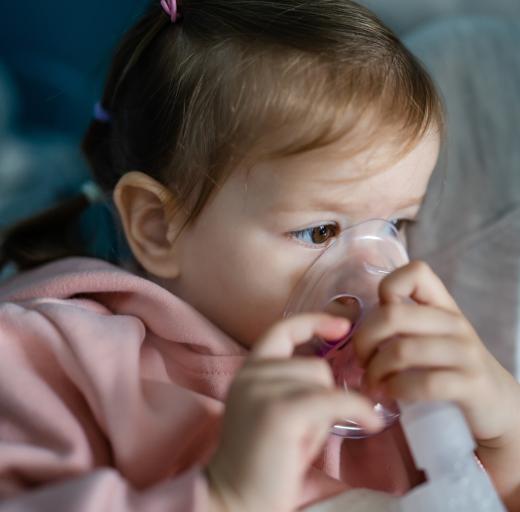
Faster and more affordable RSV vaccine development
Protecting children against RSV in a simple and effective way. That is what Natalie Mazur hopes to achieve with her research, supported by Longfonds. Her research approach is groundbreaking, as it speeds up drug development worldwide while significantly reducing costs.
RSV (respiratory syncytial virus)
After malaria, RSV is the leading cause of death among infants worldwide. In the Netherlands, 2,000 children infected with RSV are hospitalized each year, 200 of whom require mechanical ventilation. The current treatment used to prevent RSV infections is expensive and not child-friendly, as it is administered by injection. Natalie Mazur, a physician-researcher in the pediatric department at UMC Utrecht, has developed a way to stop RSV in the nose. If successful, this new vaccine could reduce costs by 99 percent. In addition, it can be administered much more easily through nasal drops.
Groundbreaking method
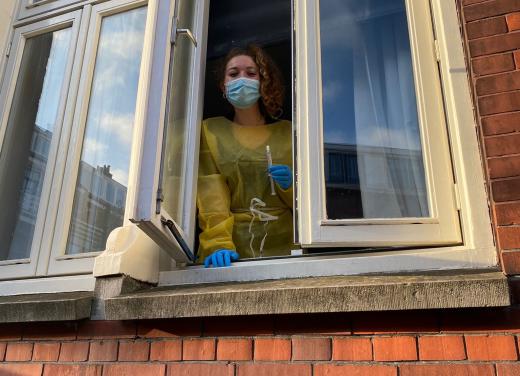
‘We infected adults with RSV in the hospital. They then went into quarantine at home, where we collected samples from them every day under strict safety measures,’ says Natalie Mazur.
Controlled human infection model
‘If we succeed in protecting children around the world against RSV using nasal drops, that would be wonderful. But the way this research was conducted may be even more groundbreaking,’ says Natalie Mazur. ‘It is a method that allows medicines to be developed much faster and at a lower cost. We used the controlled human infection model, in which we monitored participants in their home environment.’
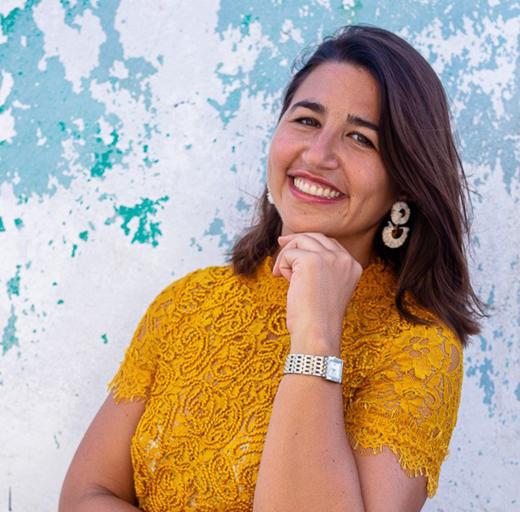
‘With this study, we have demonstrated that this method is feasible, safe and effective.’
Deliberately infecting people
‘Infecting people with a virus, deliberately making them ill and then allowing them to return to the community is a major responsibility,’ says Natalie Mazur. ‘To do this, you need a very strong scientific justification. In this case, it was permitted because we could accurately assess the risks involved. We had to demonstrate very clearly that the risks were negligible and that it was safe for participants to return home. The fact that we succeeded is groundbreaking! We are still working on the results of this study. I cannot share anything about them yet, but we will do so as soon as possible.’
Text: Judith Langeland