

Less oxygen therapy for children with breathing difficulties
Children admitted to hospital with acute breathing difficulties need oxygen less often and for a shorter time than previously thought, according to a large study led by Spaarne Gasthuis.
Oxygen therapy
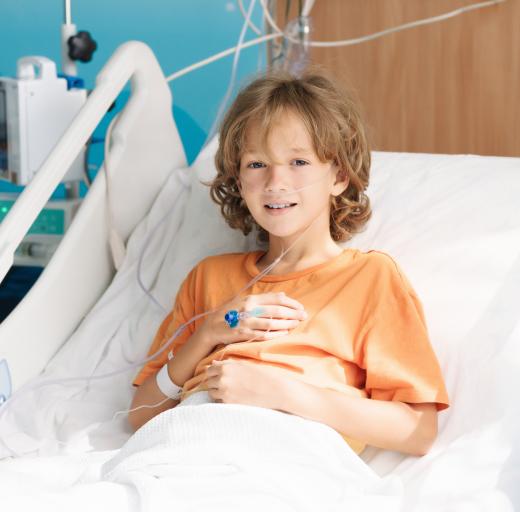
A respiratory infection or wheezing can cause children to develop acute breathing difficulties. They are often given oxygen therapy: a treatment in which extra oxygen is administered to raise or maintain the oxygen level in the blood. This is usually delivered through a small tube in the nose or an oxygen mask. In this study, called OxyKids, researchers investigated when oxygen therapy is truly necessary for children with acute breathing difficulties. They examined whether a lower threshold could be used for starting oxygen therapy.
“Children with breathing difficulties need oxygen therapy far less often and for a much shorter time than previously thought.”
Groundbreaking results
The study found that starting oxygen therapy only at a lower oxygen saturation level meant that 20% fewer children needed oxygen. Among those who still required oxygen therapy, the duration of treatment was reduced by 40%. Children were also able to go home sooner on average, with hospital stays shortened by 30%.
Many benefits
“This is important,” says paediatric pulmonologist and lead researcher Annemie Boehmer of Spaarne Gasthuis. “Children with breathing difficulties need oxygen therapy far less often and for a much shorter time than previously thought. With the new threshold for oxygen therapy, children and their parents can return home sooner, children do not receive oxygen unnecessarily and the burden on healthcare services is reduced.” Less oxygen therapy therefore not only means less strain on children and their parents, but may also ease pressure on paediatric wards, particularly during busy winter periods.
Publication
The results of the OxyKids study, which was also supported by Longfonds, were published in The Lancet Respiratory Medicine. The research has been praised for providing new insights into an essential part of care for acutely ill children.